Your Cart is Empty
Shipping is free on orders over €60!
Shipping is free on orders over €60!

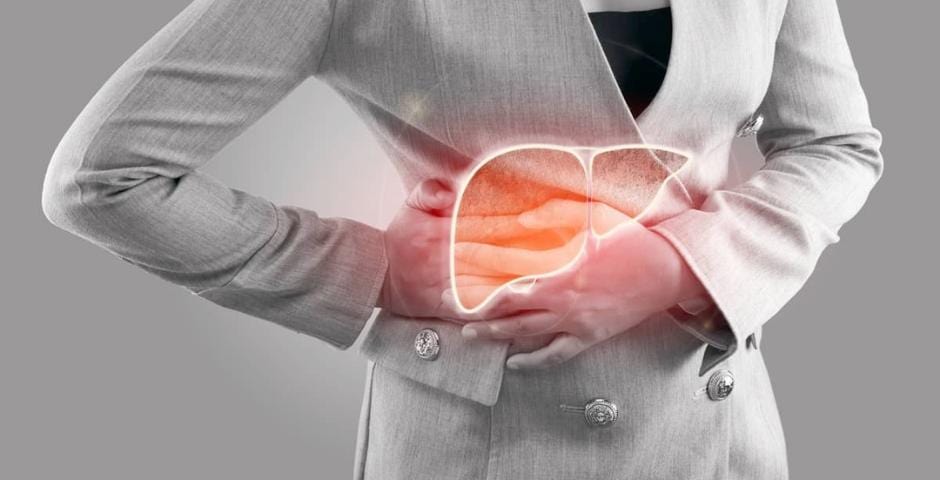
Tudca is a natural substance that has gained increasing popularity in recent years as an effective dietary supplement to support liver health and overall metabolism. Its full name is tauroursodeoxycholic acid, a bile acid naturally occurring in the human body. Tudca protects the liver, supports the proper functioning of lipid metabolism, and aids in cell regeneration. Therefore, it is increasingly recommended not only for people with liver problems, but also for those who want to improve detoxification and support overall health. (1)
Tudca is a bile acid produced in the body as part of bile metabolism in the liver. As a dietary supplement, Tudca is either synthetically produced in the laboratory or traditionally extracted from bear bile, which is no longer recommended for ethical and environmental reasons. Historically, bear bile was used primarily in traditional Chinese medicine to treat inflammation and liver damage, sparking interest in Tudca as an effective ingredient. Modern Tudca is therefore purely synthetic, safe, and available to anyone who wants to support their liver function without having to consume animal products. (2)
In the human body, Tudca facilitates the flow of bile from the liver to the intestines, thus preventing the accumulation of toxins and fats in the liver. Tudca also has potent antioxidant and anti-inflammatory effects, helping to reduce damage to liver cells and promote their regeneration. As a result, Tudca is used as a supportive agent in a variety of liver diseases and metabolic disorders. (1)
Regular consumption of Tudca can not only contribute to better liver health but also to an improvement in overall health. For example, Tudca is used in patients with hepatic steatosis, or fatty liver disease, which is a relatively common problem these days, especially in people with an unhealthy lifestyle or metabolic syndrome. It is also effective in cholestatic diseases that cause bile flow disorders and also helps people with chronic inflammation and other metabolic problems. Studies confirm that Tudca supports the body's detoxification mechanisms and contributes to the reduction of oxidative stress, which has a positive effect on overall body health. (3)
Studies investigating the effects of Tudca on the nervous system are also interesting. Tudca has been shown to support the regeneration of nerve cells and protect them from damage. This is important not only for patients with neurological disorders, but also for athletes and people exposed to long-term stress and strain. Tudca can therefore be an interesting dietary supplement for anyone who wants to strengthen their nervous system and stress resistance. (4)
The recommended daily dose of Tudca is usually between 250 and 500 mg. One to two doses are taken daily, ideally with meals. For more serious health problems, your doctor may recommend higher doses. However, it is always important to consult a specialist, especially if you are taking other medications or have more serious health complications. Tudca is generally very well tolerated and has minimal side effects. Therefore, it is suitable for long-term liver and metabolic support. (2)
If you would like to support your liver and body even more comprehensively, you will also find other natural dietary supplements in our range:
These products can effectively complement or even replace the effects of Tudca and contribute to the overall balance and health of the organism. (5)

Dr. Brent A. Neuschwander-Tetri, MD, Professor of Internal Medicine and Hepatology at Saint Louis University, explains: "Tudca is one of the most well-researched natural bile acid derivatives with significant effects on liver health. Its ability to reduce endoplasmic reticulum stress and protect cells from damage makes it a valuable tool in treating some forms of liver disease and supporting cellular balance."
Supporting your liver is one of the most important steps in maintaining your health and overall well-being. Tudca is a natural and effective way to strengthen your liver, improve your body's detoxification, and protect your body from the harmful effects of oxidative stress. Whether used as a preventative measure or as an adjunct to treatment, it can help you maintain vitality and energy long-term. Try Tudca as part of a healthy lifestyle and combine it with other natural products for maximum effect.
Thank you for reading,
Your Kratom World.
This article does not serve as instructions for use or a recommendation for consumption. The information provided is for educational and informational purposes only. The products mentioned in the article are intended solely for collecting and study purposes.
Resources